How to Build a Wearable Glucose Biosensor?
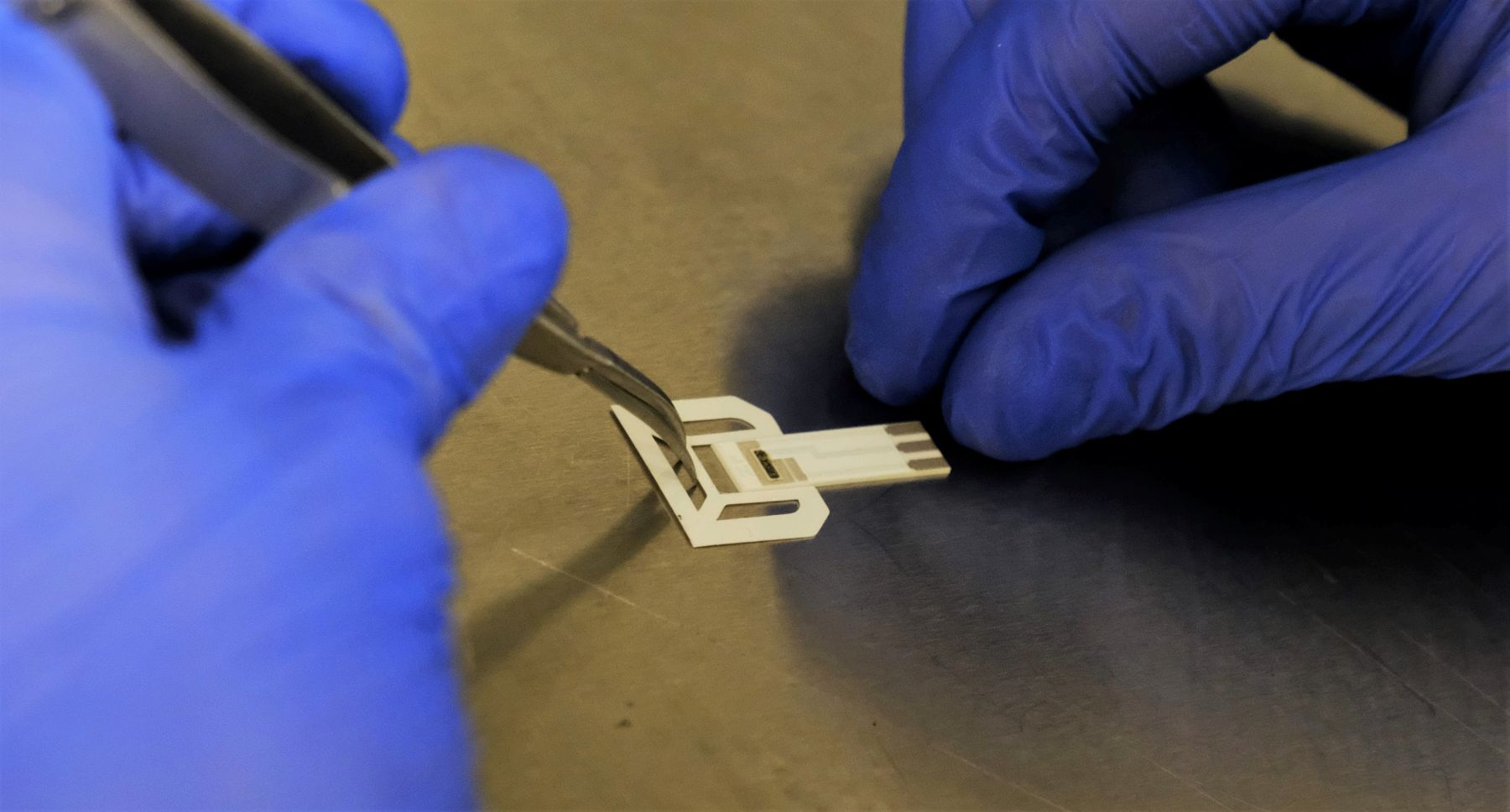
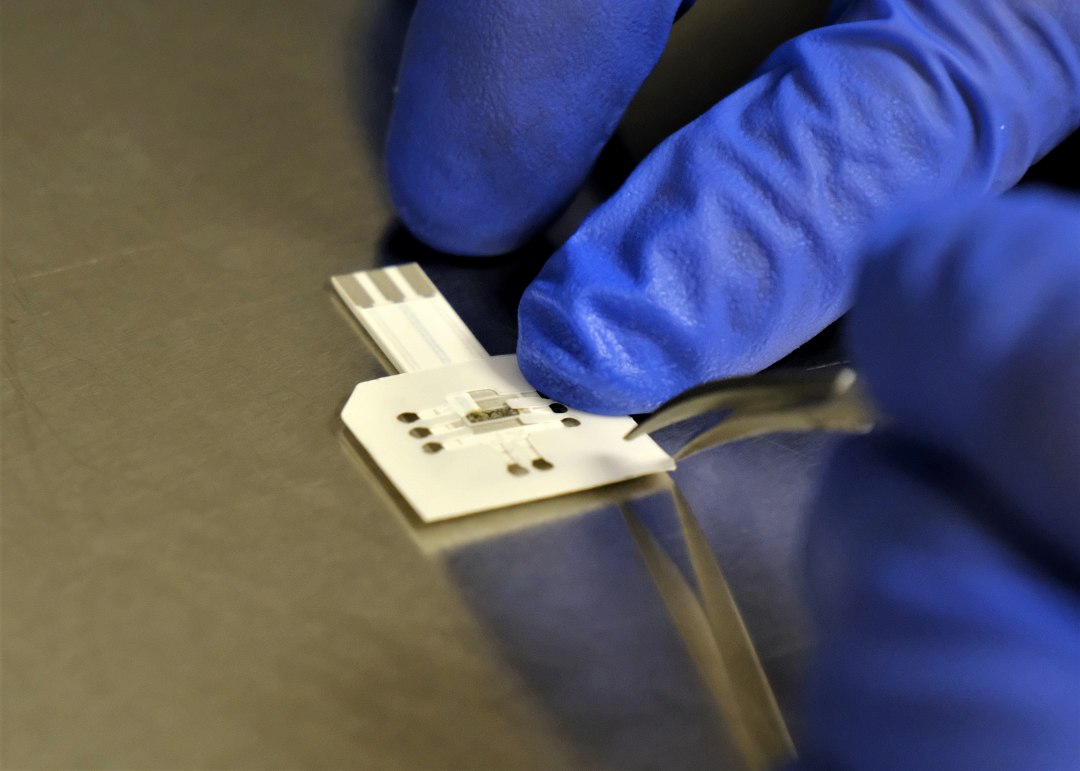
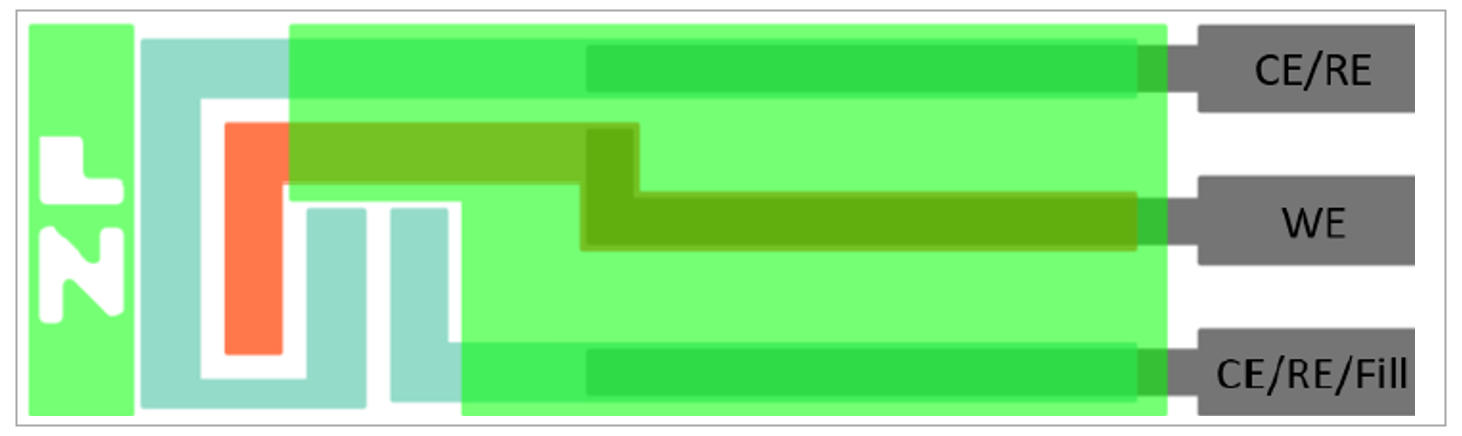
Screen-printed electrodes in a sweat patch.
Context
Global diabetes prevalence was estimated at 9.3% (460 million people) in 2019, and is projected to reach 10.2% (580 million) by 2030[1]. Regular blood glucose monitoring is an essential public-health issue for managing diabetes and other glucose-related chronic illnesses. The first blood glucose meter (BGM) was marketed in the 90s[2]; BGMs give an accurate instant reading but cannot track glucose continuously to dose insulin at the right time and amount.
Continuous Glucose Monitoring (CGM) appeared in the 2000s. Requiring no blood samples, it continuously measures glucose in the interstitial fluid (ISF)[3], from which blood glucose is deduced with a pharmacokinetic delay of a few minutes[4]. Most CGMs last 7 to 14 days. The three main ones on the market are the FreeStyle Libre™ from Abbott[5], the CGM System™ from Dexcom[6], and the Guardian™ Connect System from Medtronic[7].
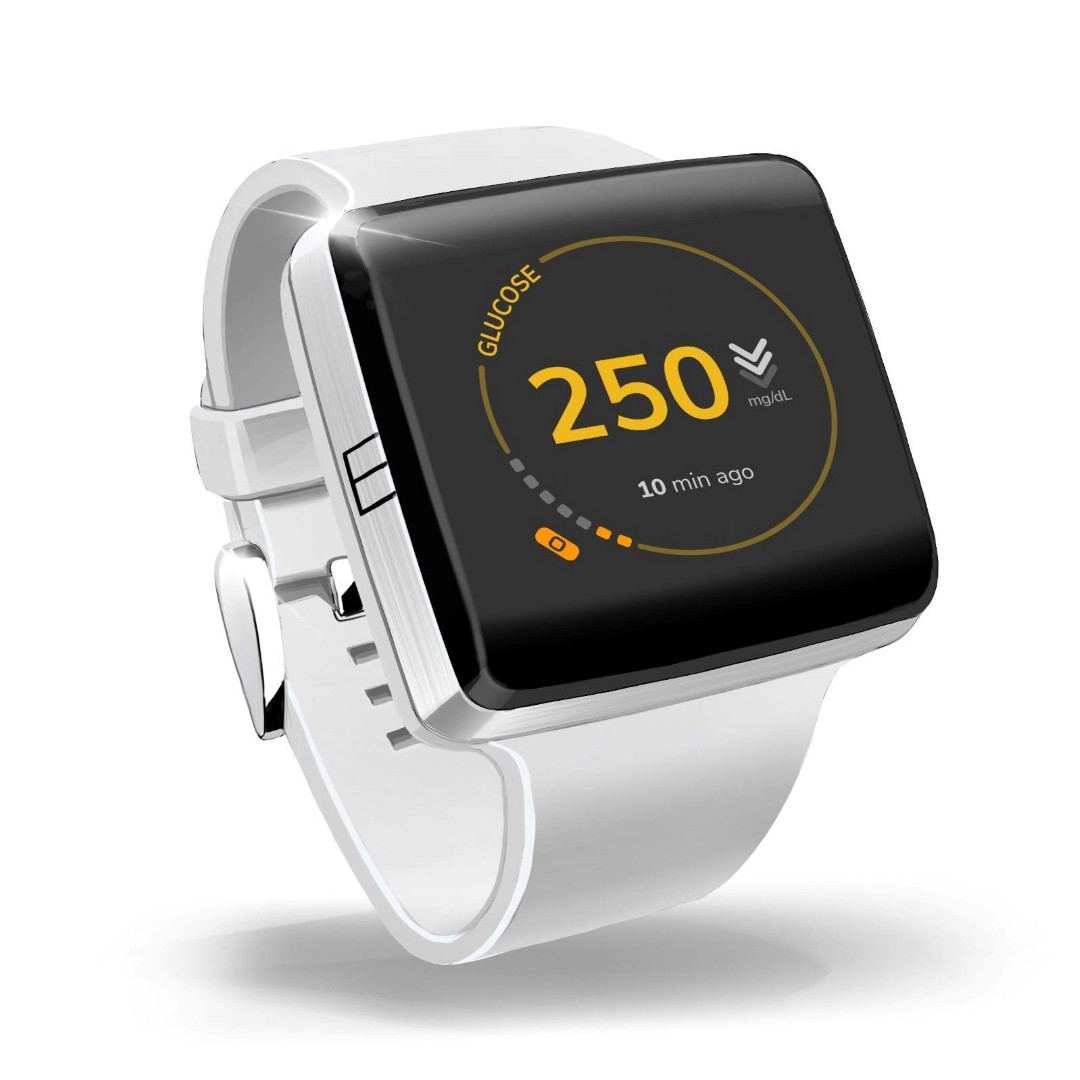
Despite recent advances, commercial CGMs remain painful[8]. Minimally- or non-invasive technologies address this. The under-development K'Watch by PKvitality is a minimally-invasive, watch-based CGM[9] whose micro-needles measure glucose in the dermal ISF, shallower than the nerve endings. It could become the world's first painless CGM — but no fully non-invasive CGM has been announced for commercialization yet.
Skills & Opportunities
The first skill is programming a server-client Bluetooth Low Energy (BLE) communication. BLE has shown strong potential in wearables[12] and is, with near-field communication (NFC), the most used technology for wireless transmission of analyzed data[13]. A DIY data-visualization display could reuse this communication solution.
The second skill is electrochemical biosensing with screen-printed electrodes. This tutorial presents a non-invasive way to measure human glucose in real time, introducing the basics, challenges, and opportunities of molecular biosensing. Building this biosensor is a first experience of electrochemical on-skin biosensing and wearable technologies.
Requirements
This project involves several prerequisites:
- Basic knowledge in Python programming,
- Basic chemical knowledge,
- A hybrid ec-Flex for open-circuit measurements (OCP) from Zimmer&Peacock (ZP) (orderable here),
- A thin Lithium-Polymer battery from ZP (orderable here),
- A first-generation glucose biosensor from ZP (orderable here),
- A sweat patch collector kit from ZP (orderable here),
- A soldering station, welding fume extractor, tin coil and flux,
- A code editor such as Visual Studio Code.
Analytical chemistry notions
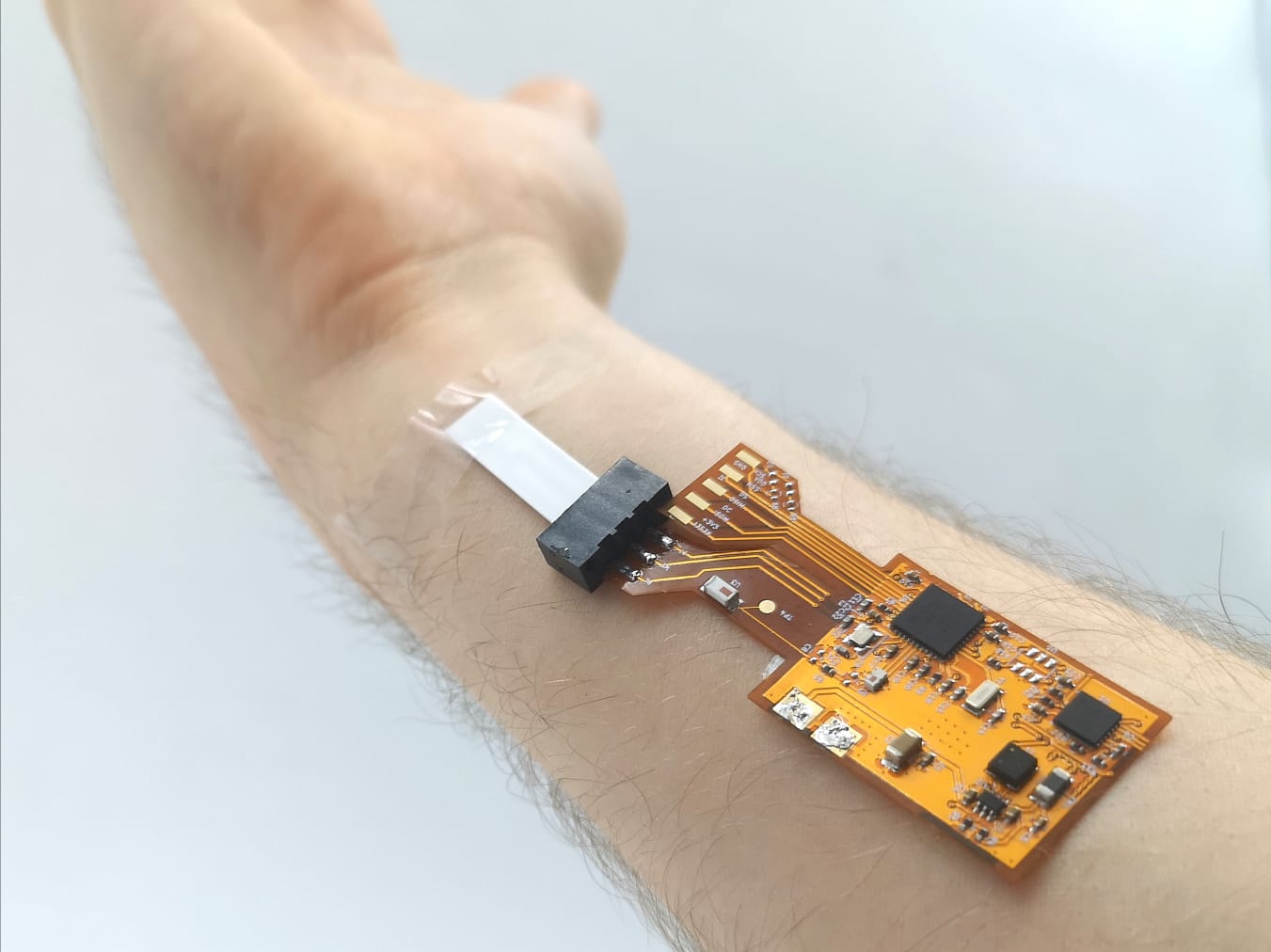
Zimmer&Peacock develops and manufactures electrochemical biosensors. The ec-Flex is a Bluetooth-enabled wearable biosensor platform[14] that processes and sends the biosensor measurements. The notions below explain how ZP biosensors and the ec-Flex work.
Three-electrode system
The ZP glucose biosensor is a three-electrode system: a working electrode (WE), a counter electrode (CE), and a reference electrode (RE). The reference electrode compensates for potential changes caused by large currents through the WE and CE. The ec-Flex has an integrated potentiostat that measures the WE's Open Circuit Potential (OCP)[15].
Screen-printed electrodes
This three-electrode system is screen-printed on a substrate[16] via thick-film deposition[17], which makes biosensor production simple, fast, and inexpensive[18]. The ZP glucose sensor uses silver/silver chloride for the reference and counter electrodes and platinum for the working electrode[19].
Enzyme-based
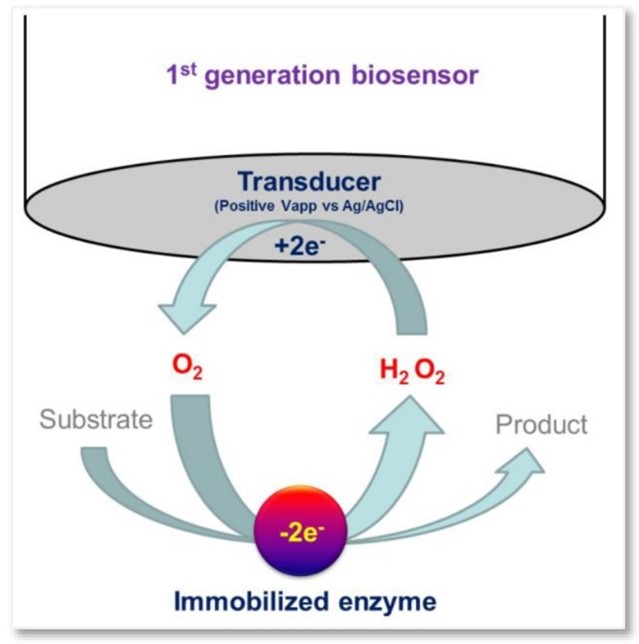
An enzyme recognizes and reacts with the target analyte[20]. For glucose (C₆H₁₂O₆), that enzyme is glucose oxidase (GOx), immobilized onto the electrochemical interface. It catalyzes glucose oxidation, producing gluconolactone (C₆H₁₀O₆) and hydrogen peroxide (H₂O₂)[21]. Glucose is then quantified by electrochemically measuring the hydrogen peroxide[22]. Non-enzymatic biosensors instead use nanomaterials for stability, reproducibility, and simplicity[23].

Amperometry
ZP glucose biosensors are amperometric. The amperometric method can selectively distinguish several electroactive species in solution[24] through a careful choice of applied potential and electrode material. Amperometric biosensors monitor currents: electrons exchanged between a biological system (the sweat) and an electrode.
First-generation
This tutorial targets first-generation glucose biosensors, which measure the concentration of analytes or enzymatic reaction products (H₂O₂ for glucose). Second-generation biosensors use redox mediators, and third-generation ones measure direct electron transfer between the redox-active biomolecule and the electrode surface[18].
Tutorial
This project has two parts: 1. Hardware assembly, and 2. Data acquisition.
1. Hardware assembly
1.1. Battery
A welding fume extractor, a mask, and thermal protective gloves are highly recommended to weld the battery to the ec-Flex.
Zimmer&Peacock batteries use Polymer Matrix Electrolyte (PME) technology[25], which makes them flexible and ultra-thin. The battery has an 8-hour lifetime, assuming a 500 ms transmission interval from the ec-Flex[26].
- Stick electrical tape on the back of the ec-Flex to cover the exposed contacts and avoid short circuits.
- Deposit flux on the ec-Flex pads, dispense solder on them with the iron, then add flux again.
- Solder the battery. The positive terminal of the ec-Flex is the pad closest to the corner.
- Bend the battery behind the ec-Flex, so it sits against the skin once the ec-Flex is worn.
1.2. Microfluidic patch
The microfluidic patch ensures dynamic sweat circulation in the SPE sensing area.
- The first layer is the sweat-collecting reservoir. It firmly fixes the patch to the skin. Gently insert the SPE.
- The second layer is the micro-channels, conducting sweat from the reservoir to the micro-reservoir. Peel it, place it on the first layer, and remove the thin plastic protection.
- The third layer is the micro-reservoir, controlling the sweat sample volume in the sensing area (up to 15 µl). Place it on the second layer.
- The fourth layer is the outlet, helping sweat circulate from the sensing area to outside the patch. Place it on the third layer.
- Plug the SPE biosensor into the ec-Flex. The sensitive area must face the same side as the ec-Flex's electronic components.
2. Data acquisition
Download the Biosensor-to-smartwatch wireless communication project ZIP from GitHub. Extract it and open the project in your code editor, then import the required Python libraries. The Bleak library is a GATT client.
In the get_ecflex_charac.py script
This establishes the Bluetooth client-server connection: the ec-Flex is the server, your device the client.
- Enter the MAC address of the ec-Flex on line 13. A packet sniffer like Bluetooth LE Explorer can recover it.
- Run the code: the services print in the terminal.
- Note the Vendor service (service 3 – 11661) address on line 14.
- Rerun the code: the Vendor service characteristic handles print in the terminal.
- Recover handles 17, 21, 24, 27, 30, 96, and 99.
| Handle | Value | Description |
|---|---|---|
| 21 | D0 | ADC resolution |
| 24 | N0 | ADC reference voltage |
| 27 | X0 | Virtual ground level |
| 30 | D1 | Current-to-voltage amplification |
| 96 | N1 | Scale factor for current |
| 99 | N2 | Scale factor for non-offset linear conversion |
In the get_ecflex_data.py script
- Complete the addresses definition block.
- Fill in the access paths of the
database.dbandschema.sqlfiles (comment them out if you do not want to save data). - Run the code: an ID, a timer, a temperature, and a glucose concentration value print in the terminal.
Conclusion
This tutorial offers a fast-prototyping solution to build a wearable glucose biosensor while raising key biosensing notions — a first experience with wearable biosensors for beginners and seasoned makers. It has limits, though:
- The battery life limits the sensing period.
- The wearer must stay within laptop range for the BLE link.
- The data are only available on the laptop.
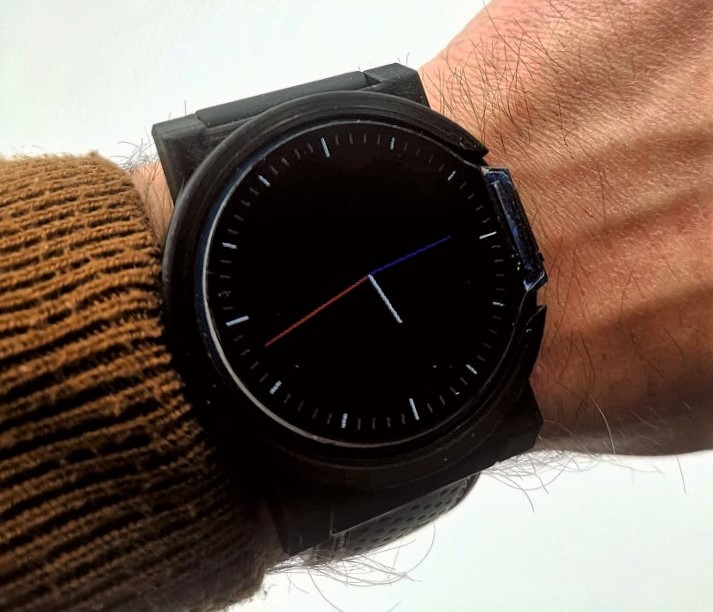
The ongoing GitHub project addresses this last point by redirecting the data to a homemade smartwatch. The How to Build a SmartWatch tutorial explains how to build it.
Wearable devices providing molecular-level information are still in their infancy[26]. Their potential affordability and accessibility fuel interest in personalized medicine[27][28]. This tutorial aims to make these technologies more accessible and spark interest in their medical and well-being applications. Wearable biosensing devices are a potential next frontier of wearable technology for fitness and individual and public-health monitoring[29].
References
- World Health Organization. Diabetes. Accessed Feb. 2023. Link
- Zafar H, et al. Comprehensive Review on Wearable Sweat-Glucose Sensors for Continuous Glucose Monitoring. Sensors. 2022, 22(2):638.
- Biermann E. Discrepancies Between Blood Glucose and Interstitial Glucose. J Diabetes Sci Technol. 2018. doi:10.1177/1932296818771396
- Heikenfeld J, et al. Accessing analytes in biofluids for peripheral biochemical monitoring. Nat Biotechnol. 2019. doi:10.1038/s41587-019-0040-3
- Continuous Glucose Monitoring System. Abbott FreeStyle. Accessed Jul. 2022. Link
- Dexcom G6 Continuous Glucose Monitoring System. Dexcom. 2018. Link
- What Is CGM? Continuous Glucose Monitoring From Medtronic Diabetes. 2010. Link
- Zafar H, Channa A, Jeoti V, Stojanović GM. Comprehensive Review on Wearable Sweat-Glucose Sensors for Continuous Glucose Monitoring. Sensors (Basel). 2022, 22(2):638. doi:10.3390/s22020638
- K'Watch Glucose. PKVitality. Link
- Coulet P.R., Blum L.J. Biosensor Principles and Applications (1st ed.). CRC Press. 1991. doi:10.1201/9780367810849
- Gajdosova V, et al. Electrochemical Nanobiosensors for Detection of Breast Cancer Biomarkers. Sensors. 2020, 20(14):4022. doi:10.3390/s20144022
- Bandodkar AJ, et al. Wearable Sensors for Biochemical Sweat Analysis. Annu Rev Anal Chem. 2019. doi:10.1146/annurev-anchem-061318-114910
- Legner C, et al. Sweat sensing in the smart wearables era. Sensors and Actuators A: Physical. 2019. doi:10.1016/j.sna.2019.07.020
- Support Library. Zimmer&Peacock. Accessed Dec. 2022. Link
- Open Circuit Potential — an overview. ScienceDirect Topics. Link
- Screen printed electrodes for biosensing. Zimmer&Peacock. 2023. Link
- Introduction and review on screen printed electrodes (SPE). Zimmer&Peacock, YouTube. Link
- Taleat Z, Khoshroo A, Mazloum-Ardakani M. Screen-printed electrodes for biosensing: a review (2008–2013). Microchimica Acta. 2014. doi:10.1007/s00604-014-1181-1
- Zimmer&Peacock. Glucose Sensor. Link
- Biosensors — Enzymatic Biosensors in Biotechnology. AZoM. 2018. Link
- Mandpe P, et al. Glucose oxidase-based biosensor for glucose detection from biological fluids. Sensor Review. 2020. doi:10.1108/sr-01-2019-0017
- Artigues M, Abellà J, Colominas S. Analytical Parameters of an Amperometric Glucose Biosensor for Fast Analysis in Food Samples. Sensors. 2017. doi:10.3390/s17112620
- Revathi C, Rajendra Kumar RT. Enzymatic and Nonenzymatic Electrochemical Biosensors. Fundamentals and Sensing Applications of 2D Materials. 2019. doi:10.1016/b978-0-08-102577-2.00007-5
- Amperometric Method — an overview. ScienceDirect Topics. Link
- Our Technology. BrightVolt Solid State Batteries. Link
- Bariya M, Nyein HYY, Javey A. Wearable sweat sensors. Nature Electronics. 2018. doi:10.1038/s41928-018-0043-y
- Heikenfeld J, et al. Wearable sensors: modalities, challenges, and prospects. Lab on a Chip. 2018. doi:10.1039/c7lc00914c
- Yang Y, Gao W. Wearable and flexible electronics for continuous molecular monitoring. Chemical Society Reviews. 2019. doi:10.1039/C7CS00730B
- Dervisevic M, et al. Skin in the diagnostics game: Wearable biosensor nano- and microsystems for medical diagnostics. Nano Today. 2020. doi:10.1016/j.nantod.2019.100828